Vinyl, wood, aluminum, and gate installations built to local codes and HOA rules.
%203.png)
%205.png)
%201.png)

Burlington County includes suburban neighborhoods, river towns, and larger rural properties, each with distinct fencing needs. Some areas prioritize HOA approval and clean vinyl installs. Others require strong posts for sandy soil, wind exposure, or long fence runs. Tri-State Fence & Deck works across the county to match the fence to the property, local rules, and how the space is used. This page helps you understand what applies to your location and what to plan for next.

Projects across Burlington County reflect lot size, neighborhood layout, and local rules. Select your town to see what’s commonly built there.


In Burlington County, permits are issued by individual townships such as Mount Laurel, Moorestown, and Evesham Township. Each handles its own zoning and construction reviews.
Many towns allow up to 6-foot fences in rear and side yards. Front yards often allow 4 feet. Corner lots may have sight-line rules near streets and sidewalks.
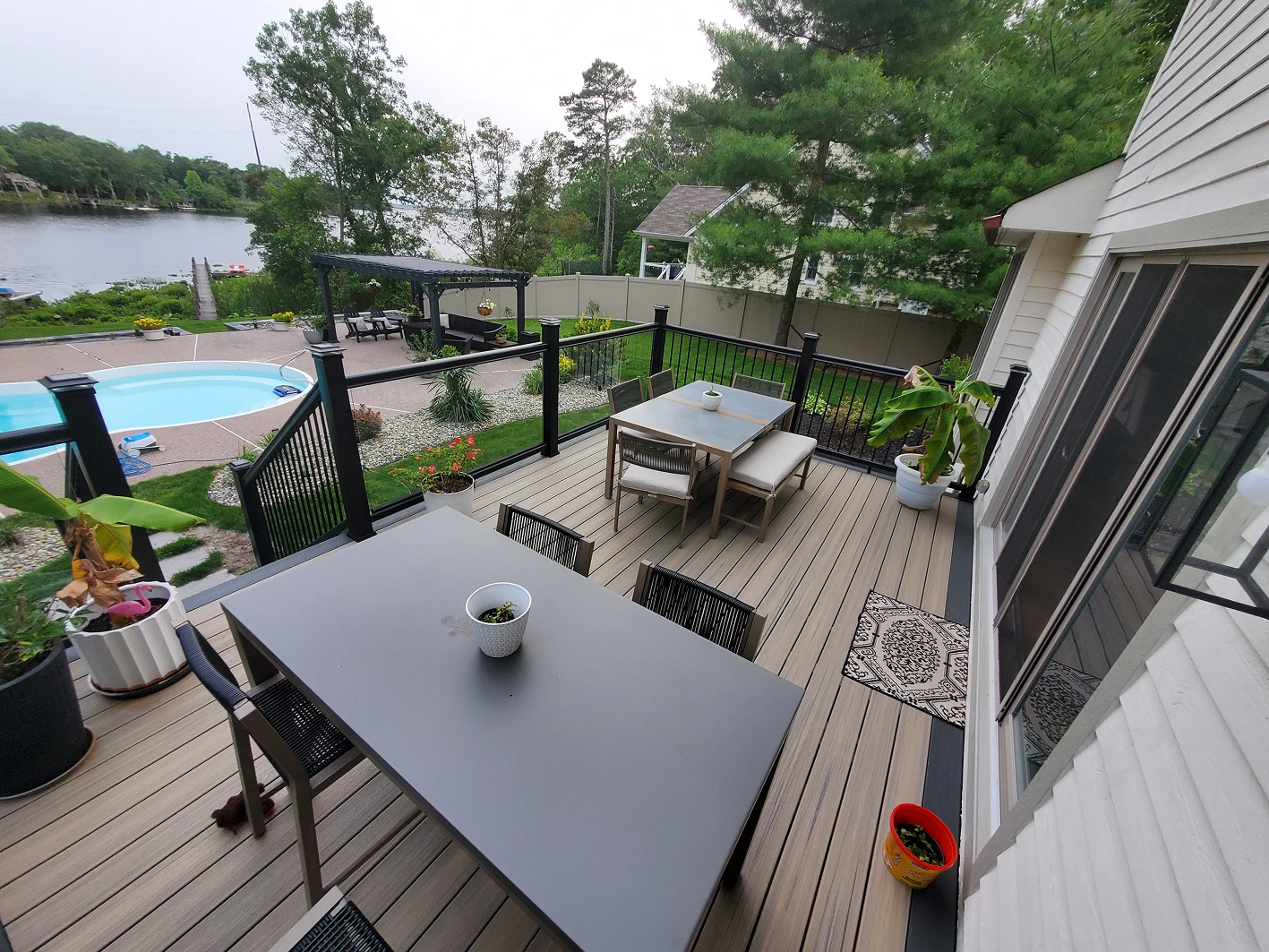
Decks usually require permits under New Jersey’s Uniform Construction Code. Footings, framing, and final inspections are common steps, especially for attached or raised decks.
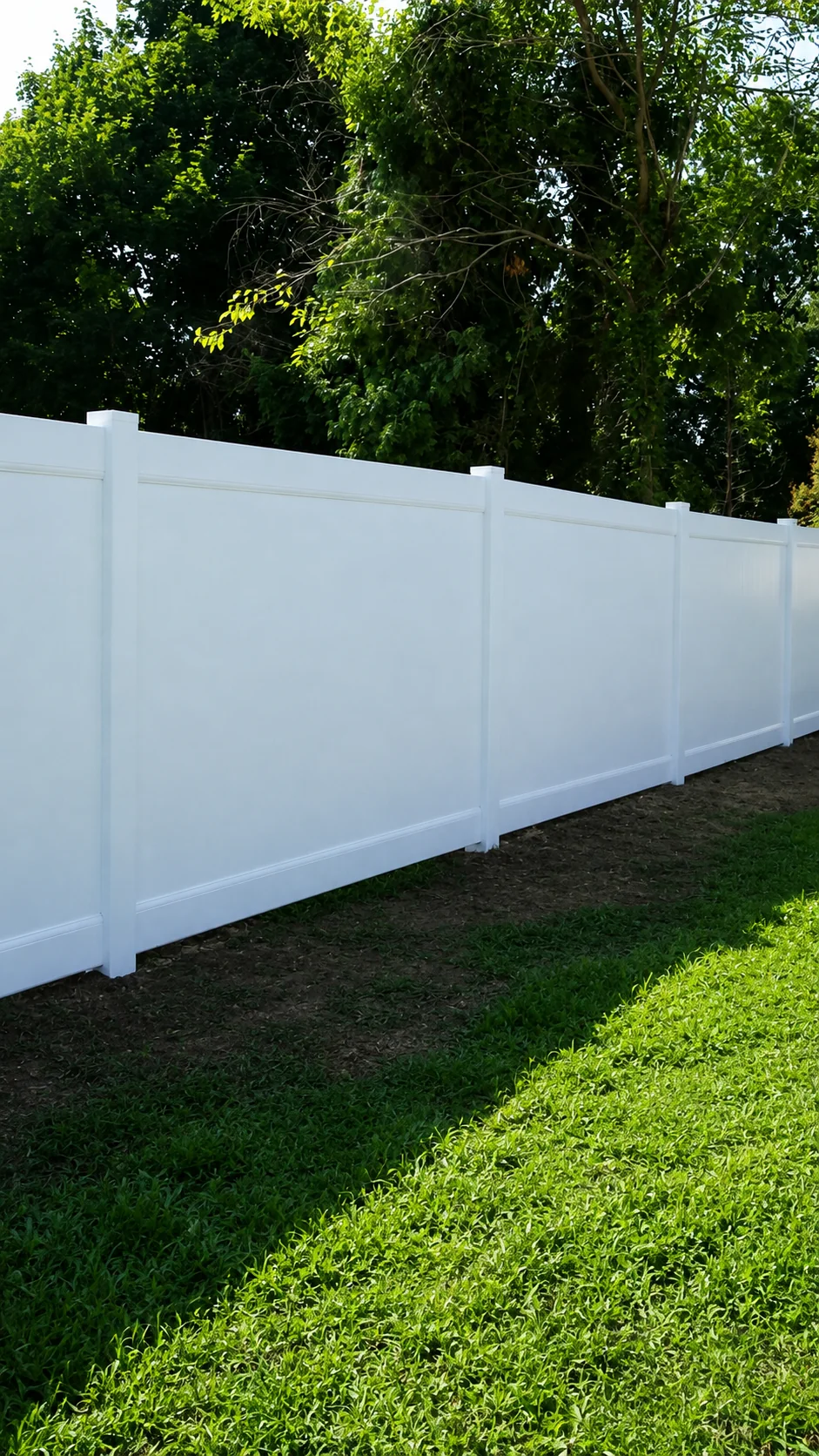
HOAs often review projects first. Common approved colors include white, tan, almond, gray, and black. Vinyl panels, aluminum rails, and simple deck finishes are widely accepted. Bright colors and mixed styles are often restricted.
Posts and footings must be cleared through NJ One Call before digging begins.
Tri-State Fence & Deck plans projects around these rules so layouts, materials, and approvals align from the start.
Project Highlights


Local experience across Burlington County towns
Over twenty years in Mount Laurel, Moorestown, and Evesham means fewer surprises in planning and approvals.
Licensed, insured, and built to code
Licensed and insured in New Jersey (License #13VH13604500). Our projects comply with zoning and construction regulations.
Work that holds up after installation
You get a 3-year warranty on workmanship. This covers the quality of posts, footings, framing, and installation.
Clear communication from planning to build
Owners work with the same team from estimate to installation. They set clear expectations early and stick to them.
Projects near county lines often share the same layouts, rules, and property types. Tri-State Fence & Deck works throughout Burlington County. We also support nearby areas in Camden County, Gloucester County, and parts of the Philadelphia metro area when project scope and local requirements align.
Are you looking for a partner to help you take your outdoor aspirations from dream to reality? Contact us today, and we will be in touch soon to help you get started with the initial details.
Yes. In Burlington County, fence permits come from your township, not the county. Towns like Mount Laurel and Moorestown usually review height, placement, and corner visibility. HOAs often require approval first. Pool fences and front-yard fences commonly face extra review.
Many Burlington County towns allow fences near property lines, but local details matter. Utility easements, drainage swales, and corner lots often limit placement. Suburban neighborhoods frequently have rear-yard utility corridors. Reviewing your survey and local zoning rules early helps avoid moving posts later or failing inspection.
No. Fence height rules vary by township and yard type. Rear and side yards often allow up to six feet, while front yards are commonly limited to four feet. Corner lots may face stricter sight-line rules near streets. HOAs can set lower height limits or require specific styles, even when town rules allow more.
Pool fencing adheres to stricter safety standards than standard fencing. Aluminum fencing is often approved because it meets spacing, visibility, and self-closing gate requirements. In towns like Evesham Township, pool barriers may require both zoning and construction permits, making material choice important from the start.
Much of Burlington County sits on sandy Coastal Plain soil. It drains well but requires sufficient post depth to remain stable. Shallow posts can shift over time, especially on open lots or near creeks. Properties closer to the New Jersey Pinelands often require adjusted installation methods to account for wind and soil movement.