Vinyl, wood, aluminum, and gate installations built for dense neighborhoods and local codes.
%203.png)
%205.png)
%201.png)

Camden County projects are shaped by density and local enforcement. Sidewalks, corner lots, and utility easements often limit placement. Rules change by township, not by county. Suburban areas add HOA reviews and pool safety standards. Tri-State Fence & Deck works across Camden County to plan fences and outdoor projects around right-of-way lines, permit paths, and property layout so that builds move forward without delays or redesigns.

Projects across Camden County vary by density, sidewalk layout, and township rules. Select your town to see what’s commonly built and what local factors apply.
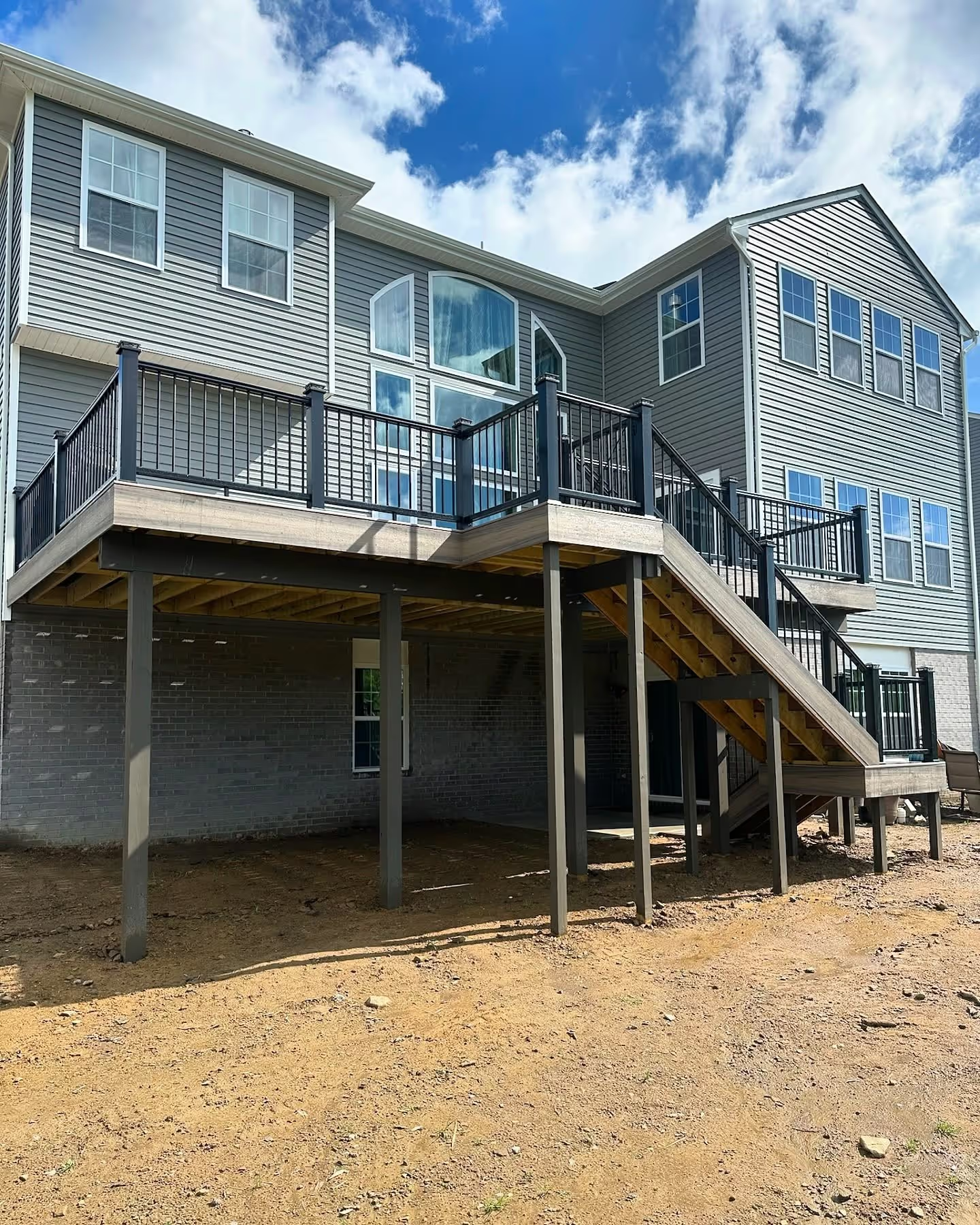
(Planned neighborhoods, HOAs, pool barriers, inspections)
(Tight lots, sidewalks, corner rules)


(Density, ROW constraints, access control)
(Mixed lot sizes, suburban–urban transition)
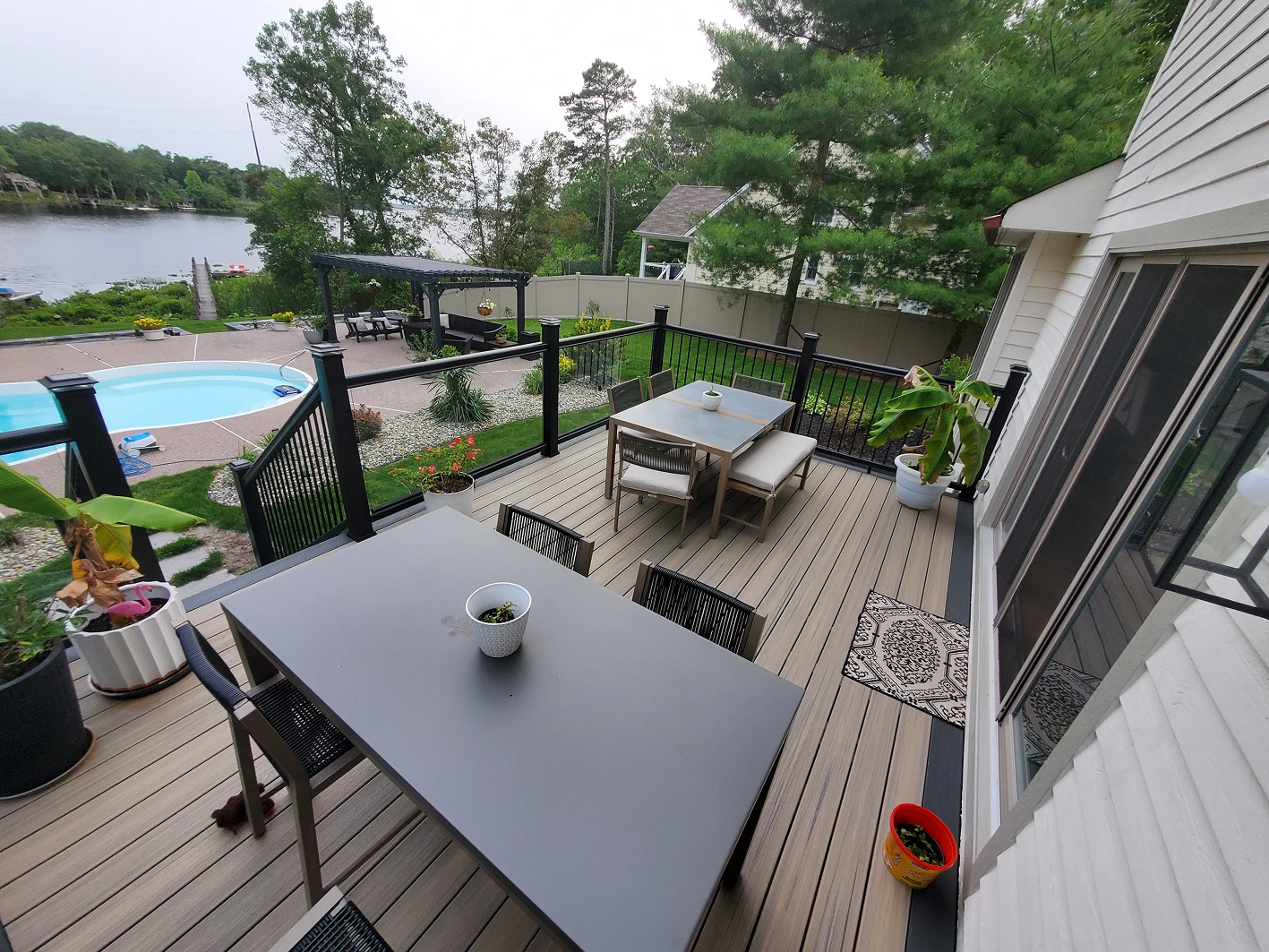
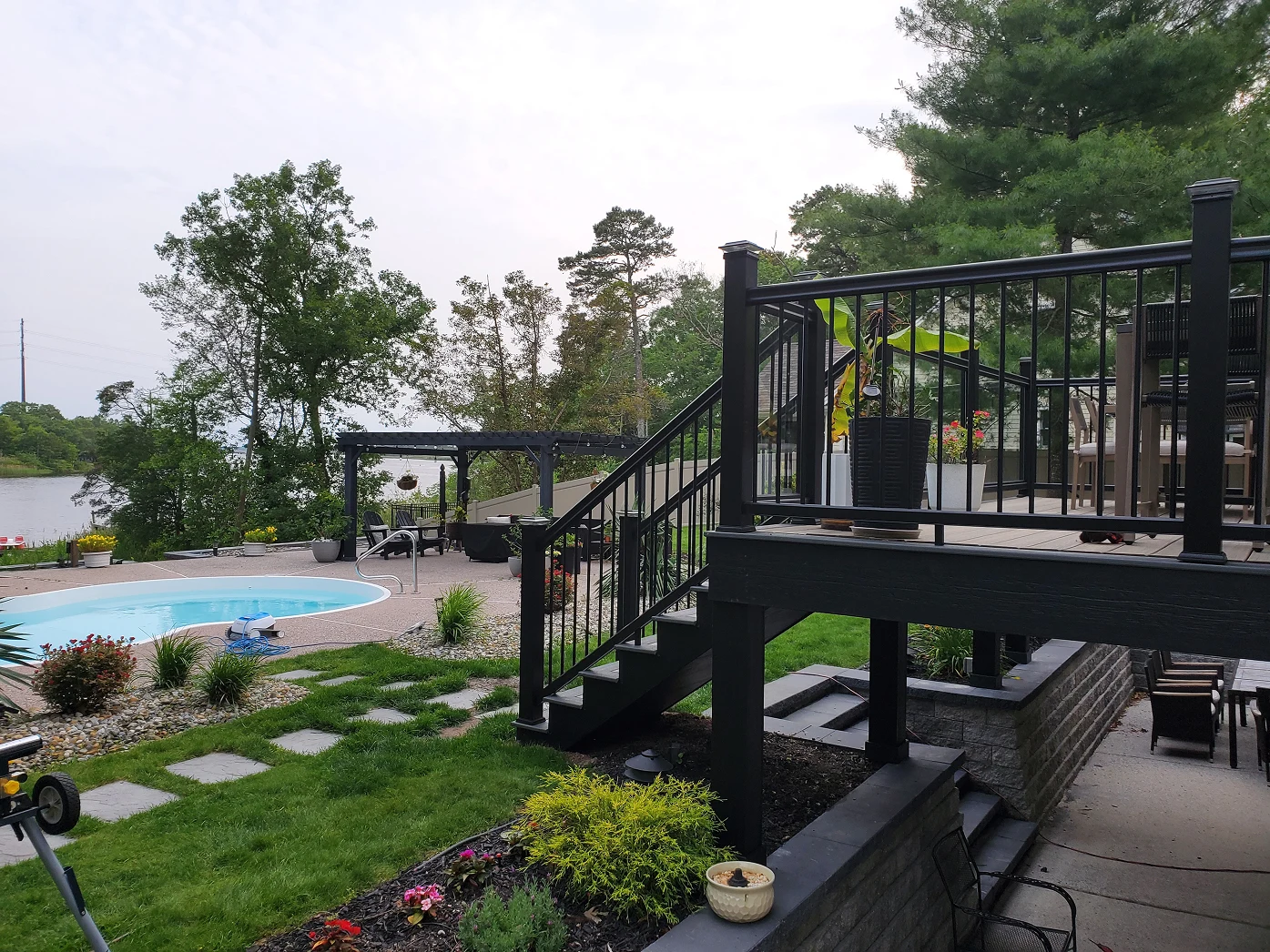
(Open land, long runs, access planning)
Tri-State Fence & Deck plans layouts around these physical limits so projects fit the lot before approvals even begin.
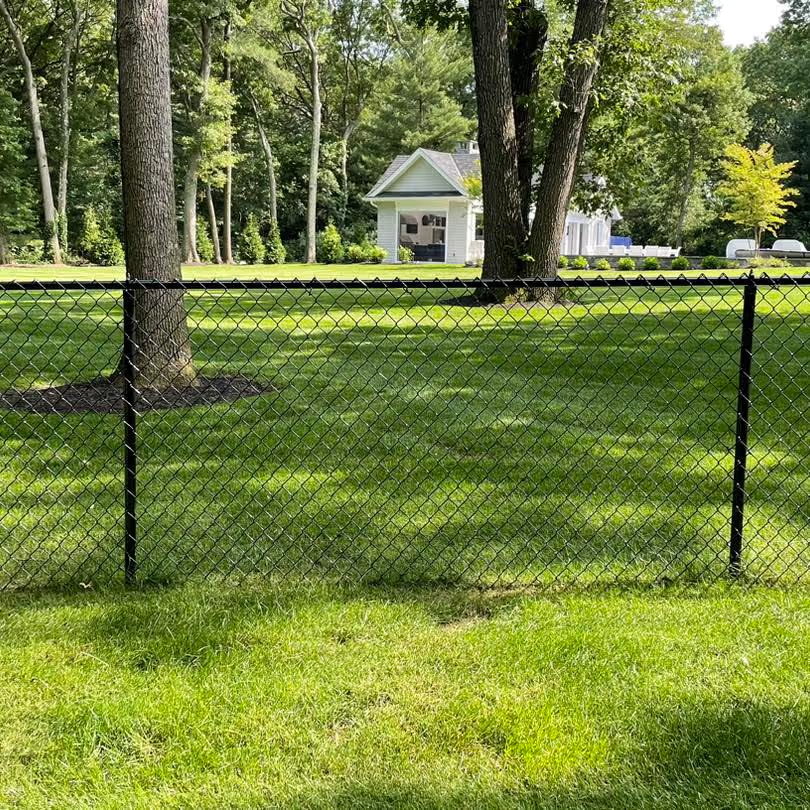

Zoning review sets fence height by yard type. Many townships allow fences up to 6 feet in rear and side yards. Front yards are commonly limited to 4 feet. Corner lots often face lower height limits near intersections.
Deck projects follow construction code review. Decks usually require permits under New Jersey’s Uniform Construction Code. Footings, framing, and final inspections are standard for attached or elevated structures.
HOAs regulate appearance and finishes. In many Camden County communities, HOAs approve neutral colors such as white, almond, tan, gray, and black. Vinyl fencing, aluminum rails, and simple deck finishes are widely accepted.
Projects near streets receive closer review. Front-yard and corner-lot builds often require clearer plans and longer review timelines due to visibility checks.
Utility marking is required after permits are issued. Once approvals are issued, excavation must be cleared through New Jersey One Call (811).
Tri-State Fence & Deck coordinates reviews so dimensions, materials, and approvals align before construction starts.
Project Highlights
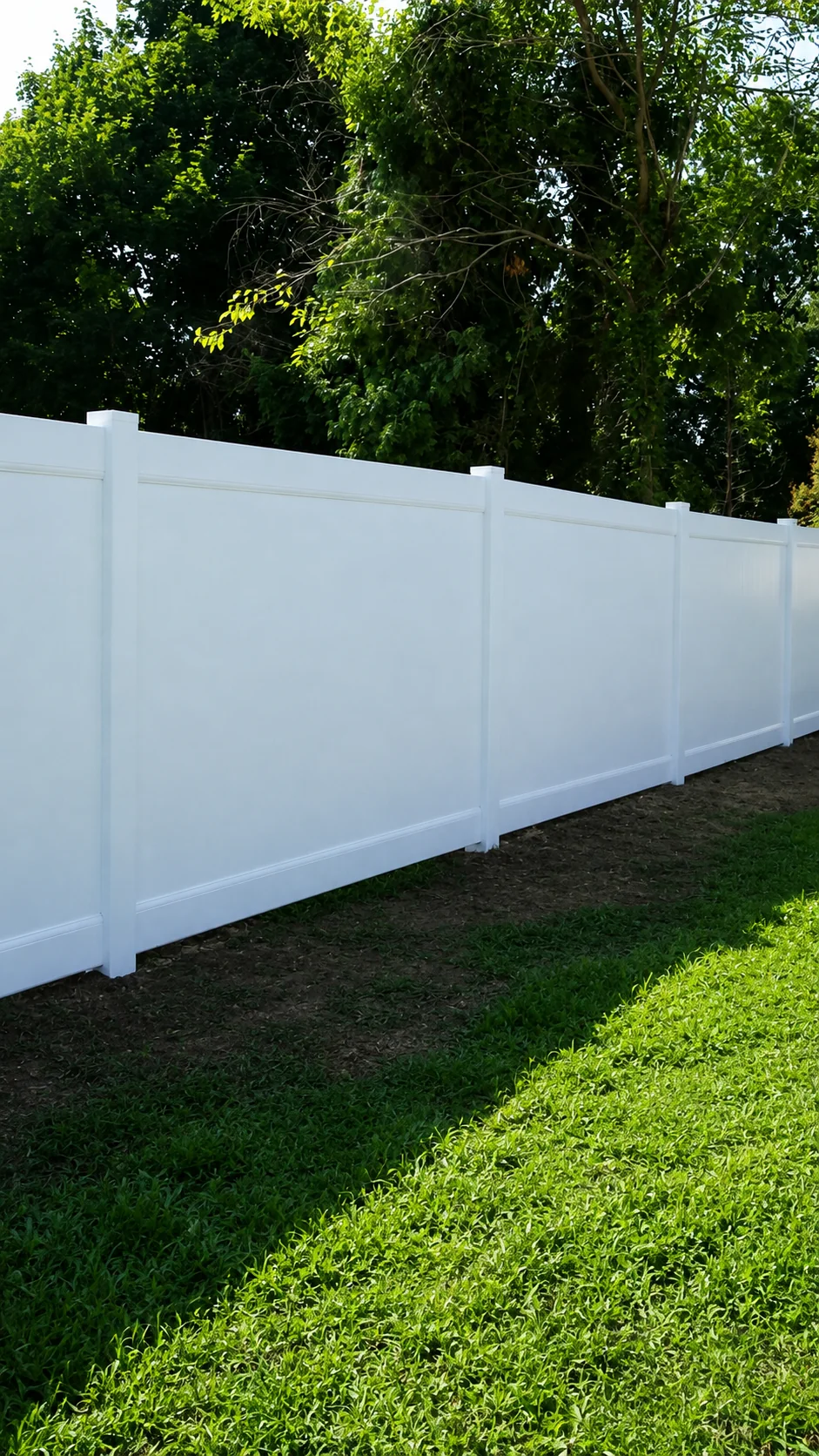


Proven experience across Camden County townships
With years of experience in Cherry Hill, Voorhees, and nearby boroughs, we plan layouts and reviews right from the start.
Licensed, insured, and code-aware
We are fully licensed and insured in New Jersey. Our projects meet zoning standards and follow Camden County's strict construction codes.
Installation quality that holds up in tight spaces
A 3-year warranty covers workmanship on posts, footings, framing, and installation. This applies even to compact or utility-dense properties.
Clear planning in complex approval paths
One team assists with planning, permits, and installation. This keeps communication clear, especially during reviews or approvals.
Projects near county lines often share the same layouts, utility patterns, and approval paths. In addition to serving Camden County, Tri-State Fence & Deck also supports projects in nearby Burlington and Gloucester Counties, as well as parts of the Philadelphia metro area, when project scope and local requirements align.
Are you looking for a partner to help you turn your outdoor aspirations into reality? Contact us today, and we will be in touch soon to help you get started with the initial details.
