
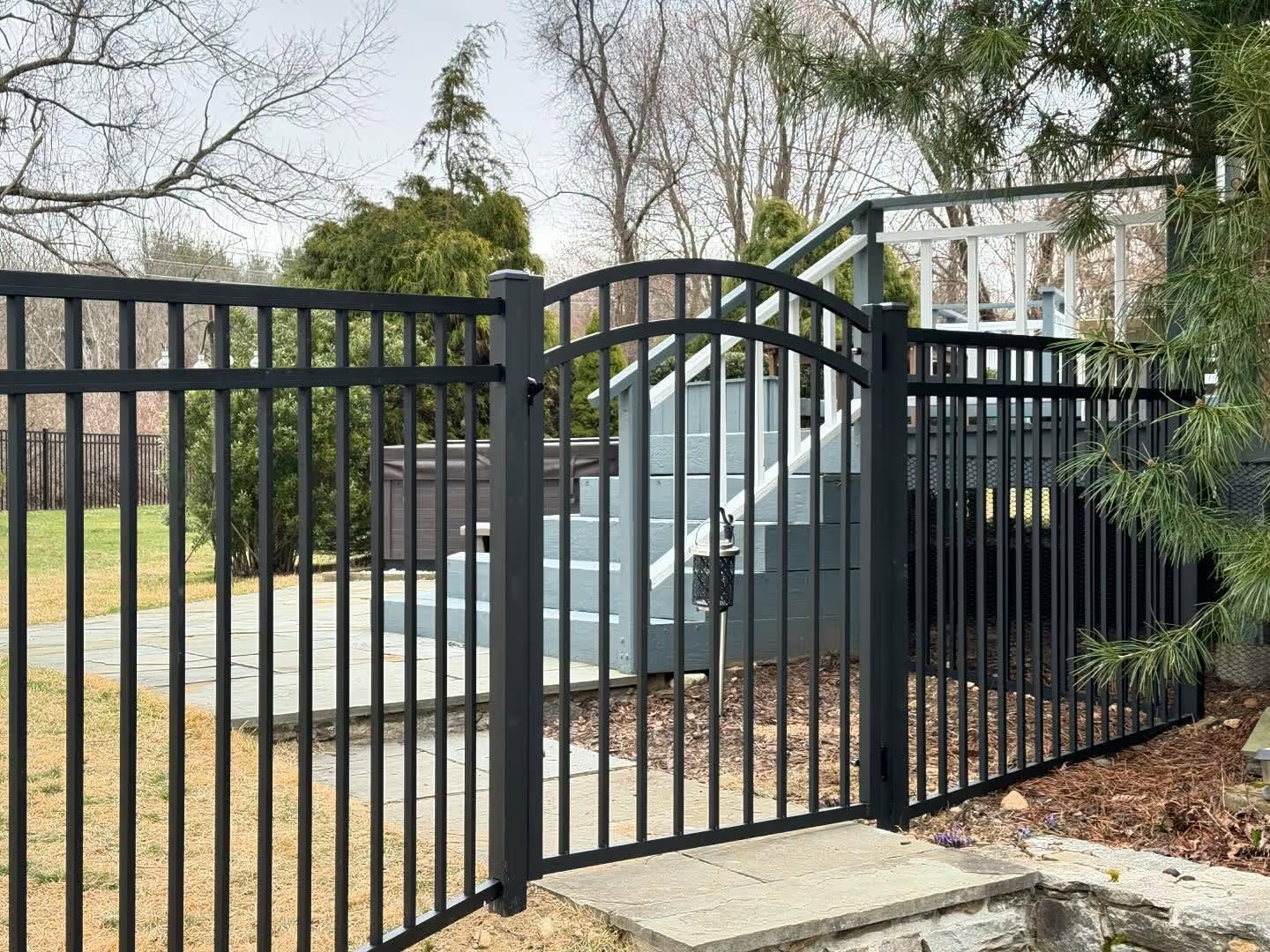
Gates are planned as part of the fence layout
Walk gates and driveway gates are common on properties near the New Jersey Turnpike and the Route 295 corridor, where access and spacing affect daily use.
Licensed builds. Local crews. Work that holds up in New Jersey conditions.
Tri-State Fence & Deck is licensed and based in New Jersey, with crews working daily throughout South and Central Jersey. From established neighborhoods along Route 130 to newer developments near the New Jersey Turnpike, our work reflects how fencing is actually built, approved, and inspected here.
We install fences, gates, and outdoor structures for both residential and commercial properties. Permits, inspections, and utility coordination are handled as part of the job, so projects move forward without homeowners needing to manage those steps themselves.
We complete regular projects along the Route 130 and Route 206 corridors. Many properties here have larger lots and long property lines. Our work often includes vinyl privacy fencing, split-rail ranch fencing, and driveway gates planned around wide setbacks.
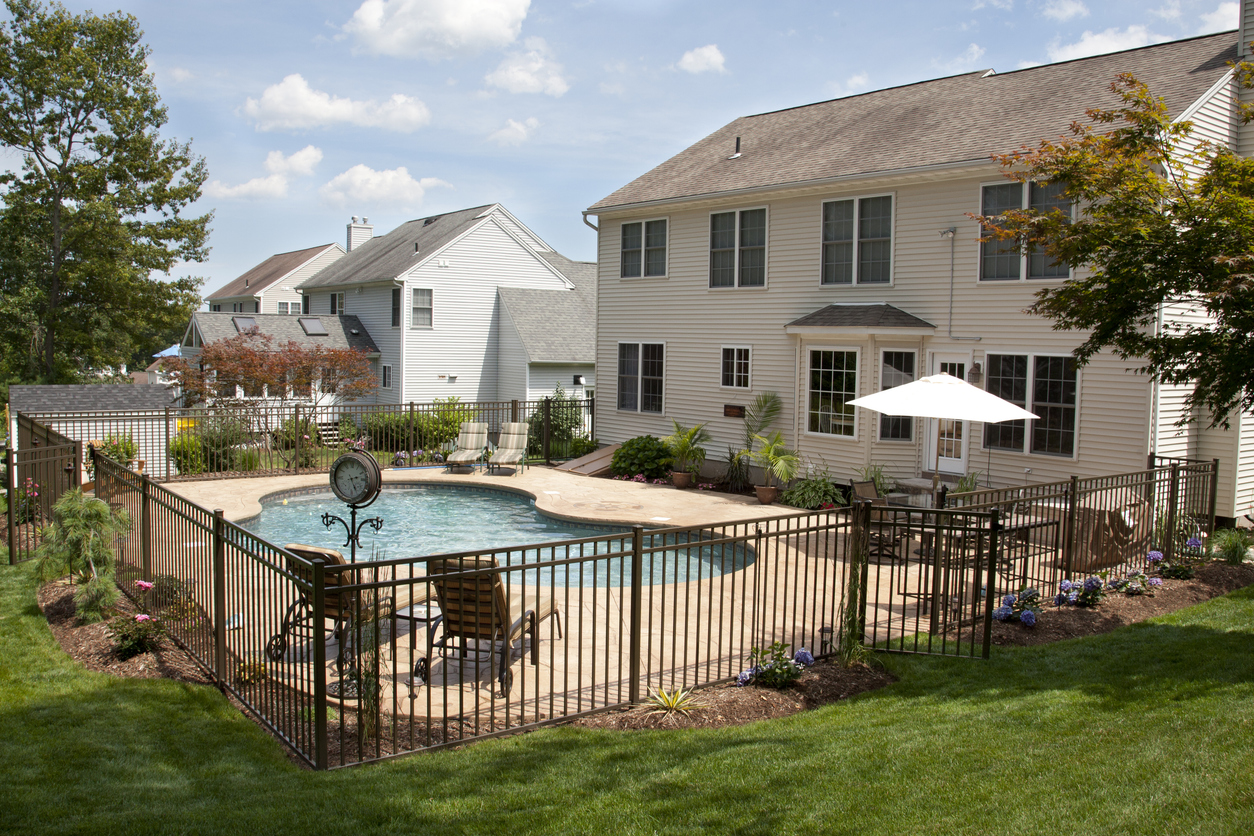
Much of our Camden County work is in established neighborhoods near Cherry Hill and Pennsauken. We install privacy fences, pool fencing, and aluminum front-yard fencing. These projects often involve coordinating zoning reviews and inspections.
Gloucester County is one of our most active service areas. We regularly work near Washington Township, Deptford, and along Route 55. Projects here include residential fencing, access gates, and commercial perimeter fencing across multiple townships.
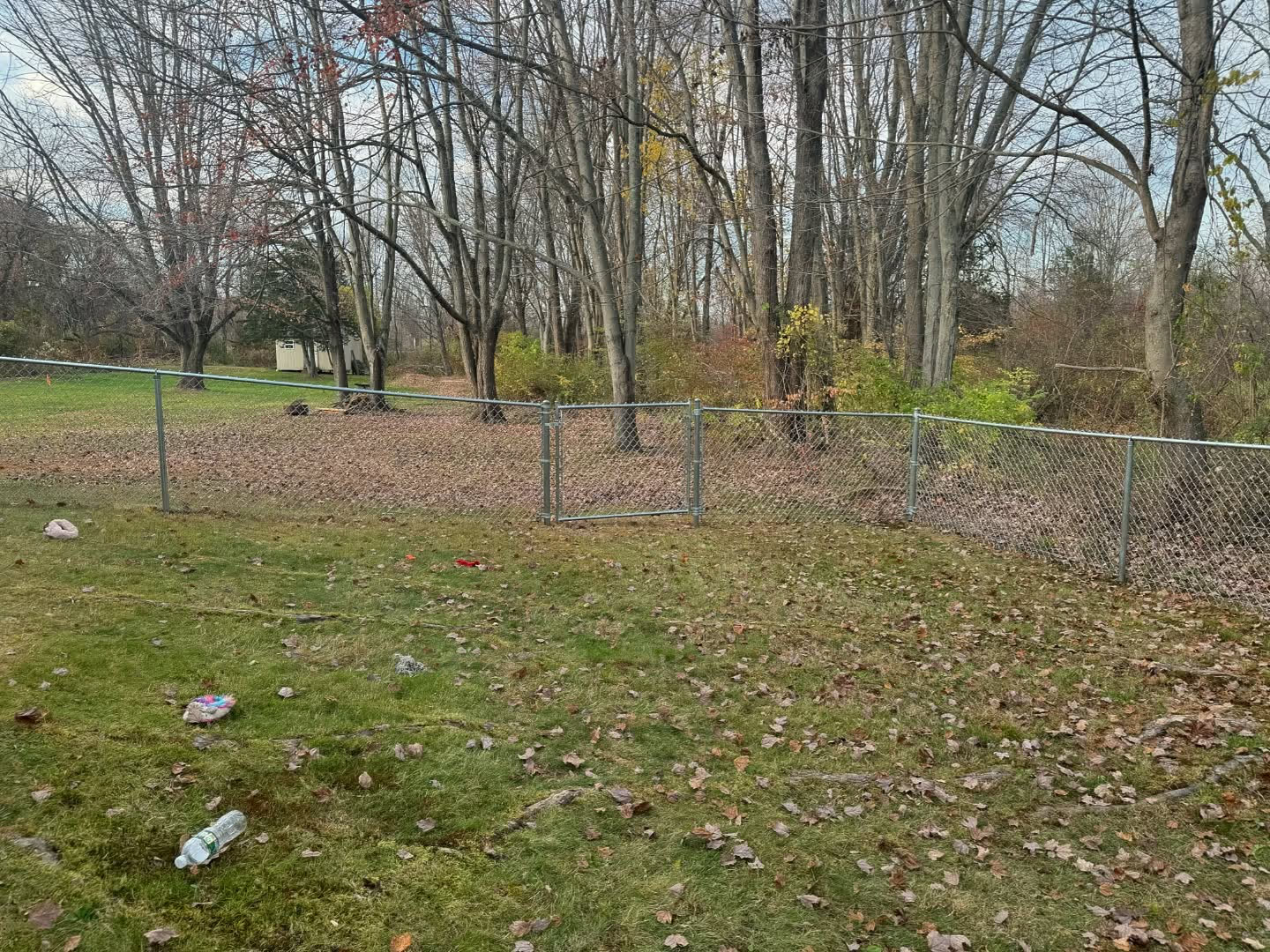
In Cumberland County, many projects sit outside dense neighborhoods. We often work near Vineland and Millville. Typical installations include ranch fencing, chain-link fencing, and functional access gates on larger parcels, with drainage considerations.
Atlantic County projects span inland neighborhoods and shore-adjacent areas near Egg Harbor Township and Galloway. We install vinyl fencing, aluminum pool enclosures, and gates designed for the wind and moisture common to the coastal plain.
Our Cape May County work often involves shore towns like Ocean City, Avalon, and Stone Harbor. We install vinyl and aluminum fencing with corrosion-resistant hardware. These fences are built for salt air, wind, and heavy summer use.
Our crews operate regularly in Camden, Burlington, and Gloucester counties, often within the same week. Work may shift from a subdivision near Route 70 to a larger parcel along Route 206, then to a commercial site close to Route 55.
That routine matters. Each stop involves different inspectors, zoning offices, and expectations. Planning around those differences helps projects stay organized and on schedule.
This approach helps prevent stalled inspections, rescheduled installs, and last-minute layout changes.

New Jersey has two common minimum frost-depth zones for footing design: 30 inches in South Jersey and 36 inches in North Jersey.
These guidelines are outlined in the state construction code.
That depth matters for fence posts and other load-bearing outdoor structures. Proper planning reduces movement from freeze–thaw cycles and helps fence runs remain aligned over time.
Near the Atlantic Coast, wind and moisture add stress. Hardware choice and spacing become more important for long-term performance. The result is fence lines that stay straight and gates that continue to operate smoothly over time.
Residential fencing accounts for a large share of our work across South and Central Jersey. Installing fencing around yards, pools, and property lines is common, often using materials such as vinyl, wood, aluminum, or chain link.
Walk gates and driveway gates are common on properties near the New Jersey Turnpike and the Route 295 corridor, where access and spacing affect daily use.

These installations typically include perimeter fencing, chain-link systems, and controlled access points for facilities, warehouses, and multi-tenant properties throughout New Jersey.
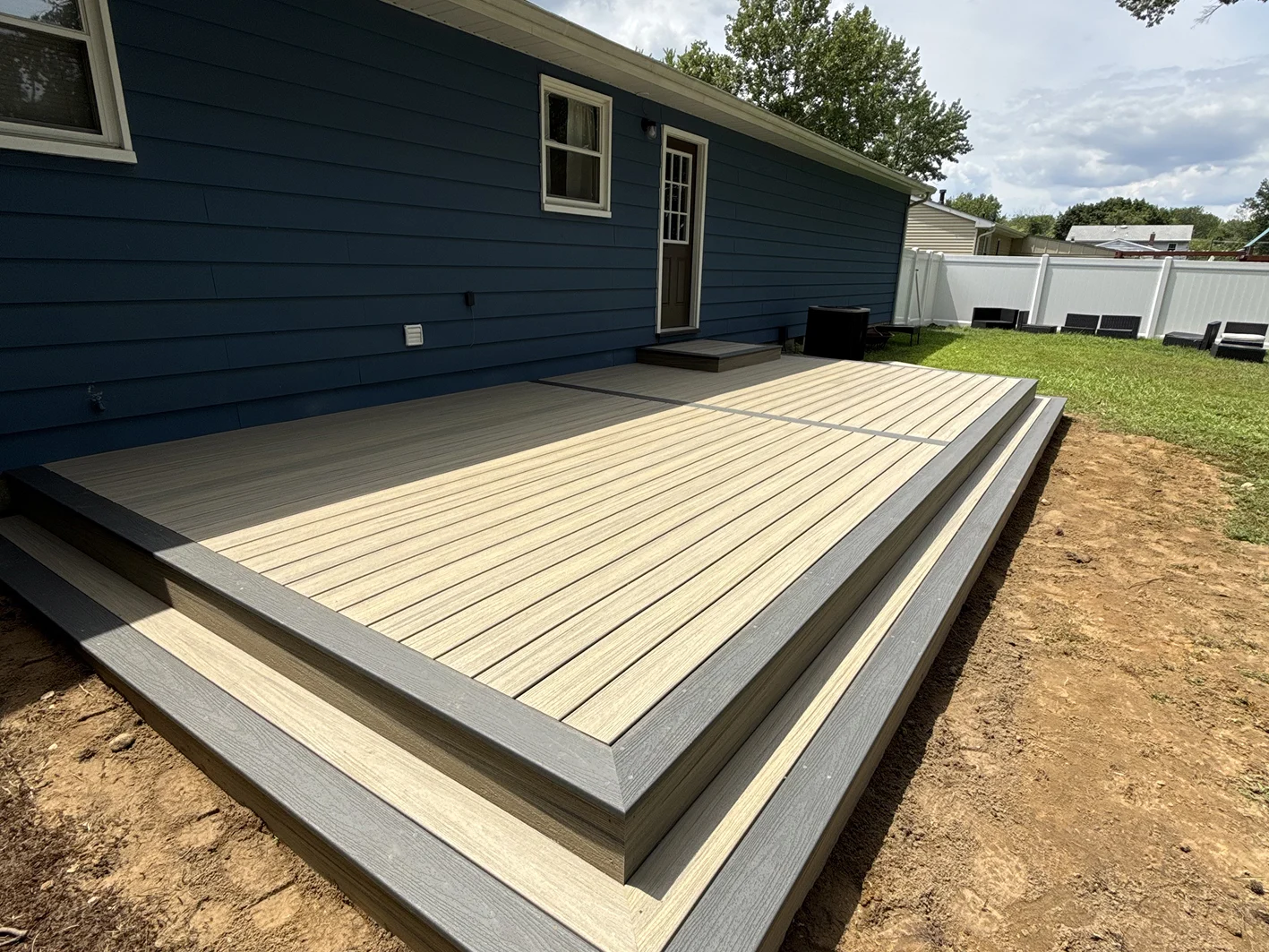
Decks and related structures are often built alongside fencing, especially when layout and grading are already part of the project scope.
Project Highlights
Check out some of our recent
vinyl fence
projects, or click here to see all past
vinyl fence
projects.
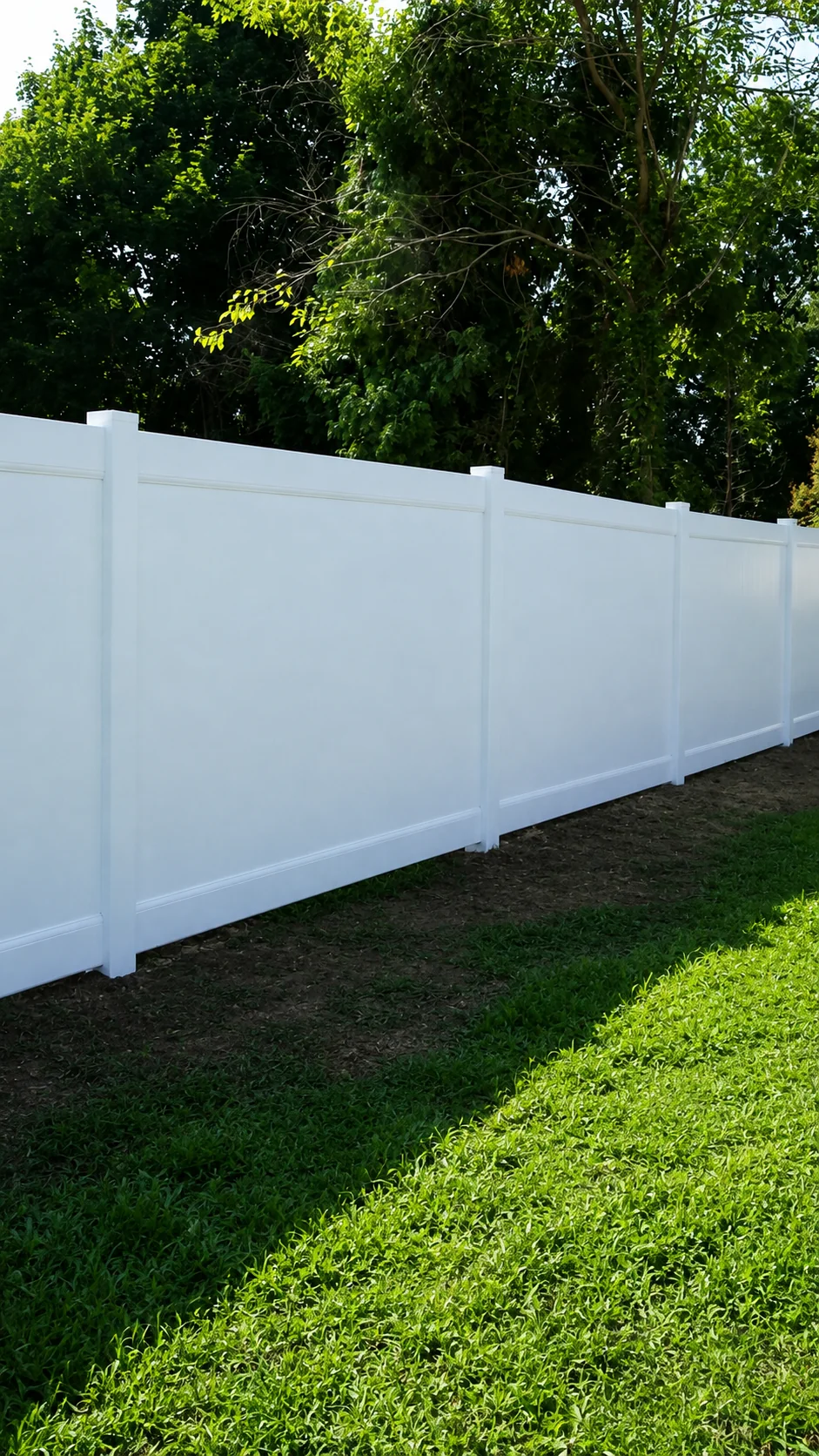


In New Jersey, fence approvals are usually handled at the municipal level (zoning and/or construction permits), and rules vary by town—especially for front yards, corner lots, and pool barriers.
Under N.J.A.C. 14:2‑3.1, you must notify NJ One‑Call at least 3 business days—but no more than 10 business days—before excavation, begin within that 10‑day window, and renew if the ticket expires (generally after 45 business days).
Once excavation starts on time, the notice generally remains valid for 45 business days (assuming markings are maintained).
Pool barriers are governed by the state construction code framework overseen by the NJ Department of Community Affairs, which uses the International Swimming Pool & Spa Code (ISPSC) requirements, including a minimum 48‑inch barrier height and gate requirements. Handling these steps early helps avoid failed inspections and unnecessary rework once installation begins.
Some projects fall just beyond our standard service radius in the Garden State—but that doesn’t always mean we can’t help. For larger installations, specialty materials, or commercial work, we occasionally extend coverage to nearby areas not listed. If you're outside the standard radius, our team can confirm availability and let you know whether a remote estimate or travel fee applies.
Are you looking for a partner to help you turn your outdoor aspirations into reality? Contact us today, and we will be in touch soon to help you get started with the initial details.